
Funeral Clowns Brought the Dead to Life
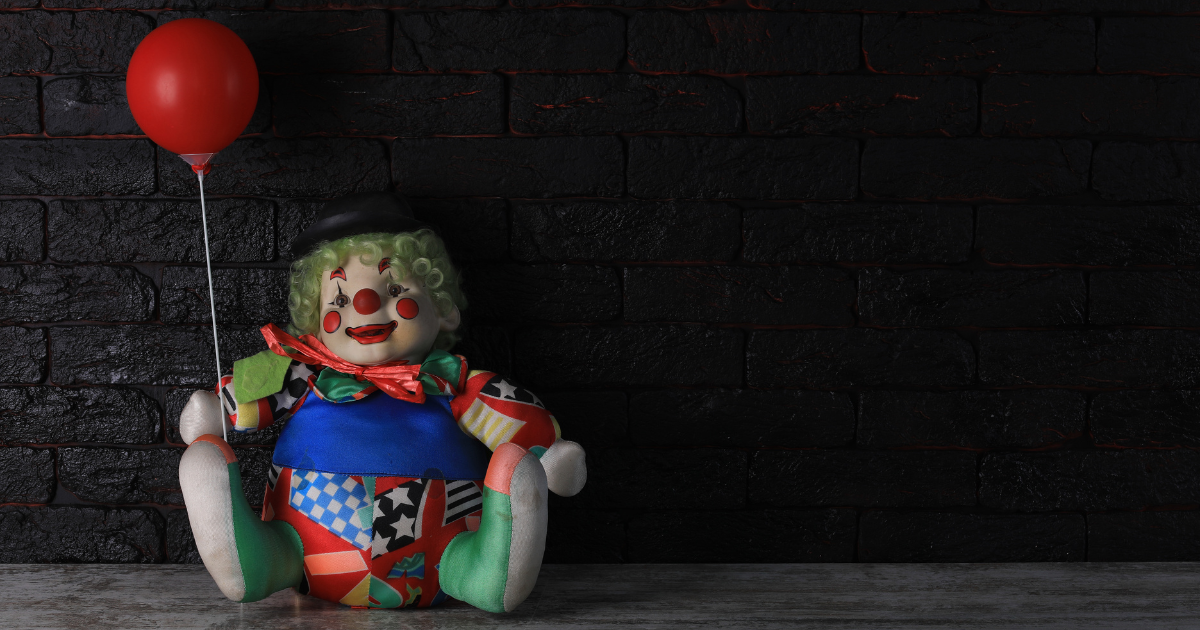
I heard “funeral clowns” and envisioned the grim reaper’s hood with a red nose poking out. Something smiley with too many yellow fangs and a scarlet afro. A bad horror movie.
But, ah… it seems funeral clowns were (and are) a real thing. Not only that, but a happy and comforting thing, which seems the very opposite of the job title’s connotation. And once upon a time, in fact, they were kind of a big deal in a civilization as brutal and sprawling as any today.
A long history
Dating from the Roman Empire, the first funeral clowns were known asarchimimes (from Greek roots for archi– “chief” and mimos “mimic”). These were actors dressed as clown versions of the deceased.
It was commonplace to include them. Their purpose was “bringing the dead to life” in a joyful way for the solemn occasion; actors achieved this by impersonating the departed to incorporate their character into the funeral ceremonies.
Through mimicry and exaggeration of traits (including the appearance) and mannerisms of the deceased, archimimes were paid (well paid) to lighten the mood and bring some joy to what would otherwise be an atmosphere of sadness.
Present day
Primarily a European phenomenon at the moment, funeral clowns are indeed available for hire today. Several business endeavors have been established since the late 2000’s (and, in fact, Connecting Directors has covered the funeral clown tradition before).
Happy, costume-bearing funeral entertainment for hire. Well, it fits the modern death culture’s other unique offerings, both here and abroad. They might even be embraced on this side of the pond; we can certainly use something to laugh about in 2025. One modern-day clown states that he hopes to create a comfort zone for mourners honoring the dead and the emotional responses of survivors together. Death care’s current atmosphere could certainly accommodate some happy actors.
Purpose
Such clowns actually brought more than fun and laughs to a sad moment. Modern experts say funeral clowns played a psychologically significant role. Their presence and active participation in ceremonies performing as the guest of honor was emotionally significant as well as culturally revealing of the attitudes of the time about dying and the dead.
It seems an honorable enough purpose simply to provide an impression of one last moment in life “with” the deceased, to placate the dead and entertain the living. But more than that, psychologists say ”the existence of archimimes illustrates a civilization deeply invested in the performance of identity, the public processing of grief, and the communal management of memory” (source).
It’s not such a departure from modern rituals and practices already in place. Our eulogies, video memorials, even hologram concerts all typify the sort of symbolic purpose of characterizing or even “returning” the dead to the present, if only for a little while.
Would you offer this service?
Today’s funeral professionals don’t need archimimes to curate a final “performance” of a life, of course. Technology makes so many more realistic, true to life alternatives available. Stories, eulogies, videos and photo montages are the norm, and other, more extreme options are already out there. But you never know, right? I mean, with holograms and AI anything could happen; who’s to say what the 21st century iteration would look like.
Should the day come when full-on funeral clown services are offered a la carte (maybe in tiers?), the outcome will be the same: helping families see their person one more time in motion, not just in memory.