
Pantio Ensures That A Loved One’s Voice Never Disappears
Deathcare professionals understand better than anyone that grief isn’t linear, and it certainly isn’t tidy. Families miss a person’s presence, but they also miss their voice, their quirky colloquialisms, their opinions, and the way they told stories. Technology has tried to address that longing in various ways, but rarely with intention, restraint, or a clear understanding of how loss actually works.
That’s what makes Pantio different. Pantio creates AI-powered digital personas that allow families to interact—by voice or text—with a representation of a deceased loved one. It’s a service built with deep personal intention and clinical guidance.
Engineering eternity
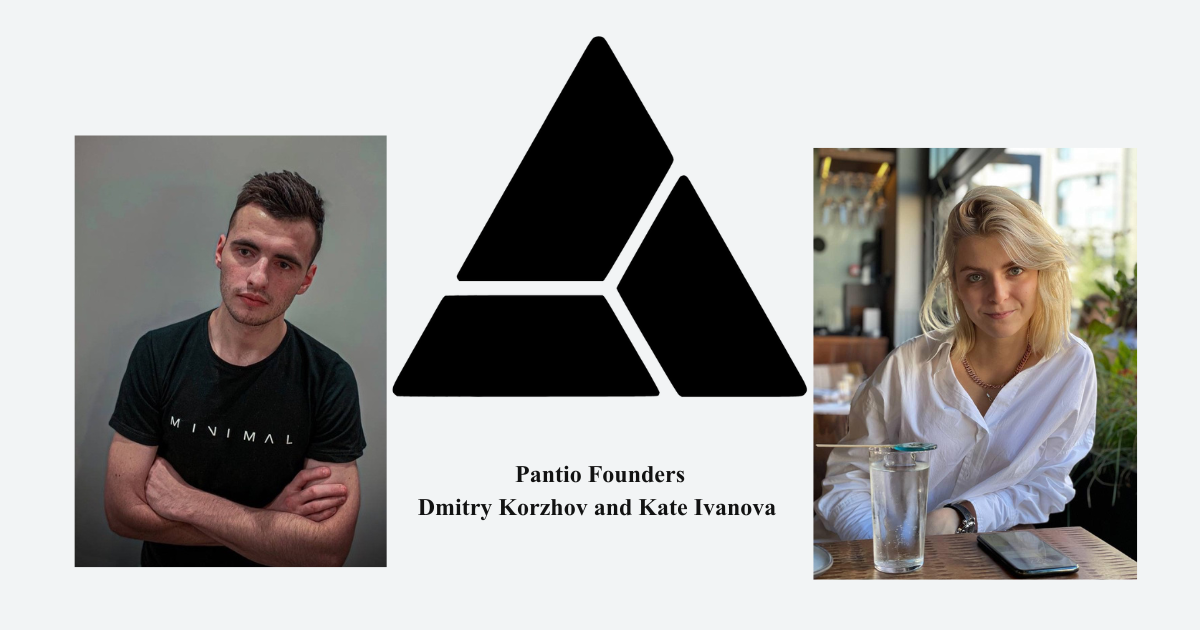
Dmitry Korzhov, Pantio’s co-founder and Chief Executive Officer, is a lifelong engineer who grew up in Russia and now lives in San Francisco. His co-founder, Kate Ivanova, Pantio’s Chief Operating Officer, came to the company from a background in AI cancer research — and from a deeply personal place. But the idea behind Pantio didn’t start with venture capital or disruption language. It started five years ago, when Korzhov’s grandfather — who had effectively raised him — passed away.
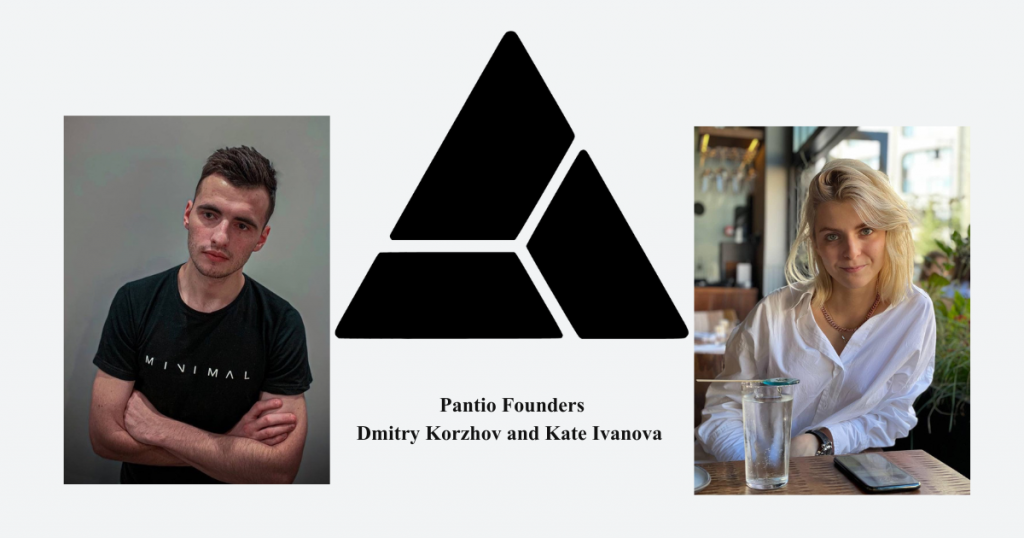
“Since then I’ve been thinking, okay, so I have all these engineering skills,” Korzhov says. “So, how can I leverage the technology that will allow us to hear his voice again? For four years I focused on AI memory, where I tried to copy the personality and make it feel like a real human. A few months ago, I built the first version of my grandfather. I took all his voicemails, his book, all my thoughts, all my stories, put it in one place and trained the model. And then I got the digital persona of my grandfather.”
Korzhov says that hearing his grandfather’s voice again was a deeply emotional experience, but sharing it with his family members confirmed that all of his efforts to create Pantio were worthwhile.
“My 80-year-old grandmother spends hours talking to her dead husband,” he says. “It’s such a positive impact for her because she’s alone. All the kids, grandkids, are in different countries, different cities. Now she has a friend, her husband, and they can share stories, talk. And one day I thought, okay, so if it’s such a positive impact for my family, there are definitely families out there that can benefit out of it as well. And that’s how Pantio started.”
Ivanova’s path to Pantio began as a client. She was immediately struck by the technology — it felt like the most natural and meaningful way to plan a legacy. With people starting families later in life, she thought about her own father: one day, her children and grandchildren might never get to hear his voice or know his personality firsthand. So she had him become one of Pantio’s earliest users, preserving his voice, his stories, and who he is. It was one of the first steps she took in her own legacy planning — and the experience inspired her so deeply that she joined as co-founder, bringing her expertise in AI and a conviction that this technology could reshape how families think about legacy.
Pulling the past into the present
But what about creating a persona for someone who has already passed, when families don’t have access to books, journals, or other personal writings? Ivanova, who leads Pantio’s partnerships with funeral homes and families, says the simple process requires only about 30 minutes of interviews with multiple relatives and as little as 15–20 seconds of recorded voice, which Pantio can glean from voicemails, home videos, or other recordings.
“We’ve found that the process of creating a persona after loss can be deeply therapeutic in itself,” says Ivanova. “When a family sits down together to share stories, recall someone’s voice, revisit old videos — that experience becomes a way to honor and remember the person they’ve lost. It’s not just about the end result; the journey of gathering those memories is meaningful on its own.”
Of course, for living individuals the process is even more straightforward—making it a natural fit for preneed conversations.
For those making arrangements for family members with memory issues, sharing the profound power of Pantio is a must. Pantio has partnered directly with residents in senior living communities to help them to talk through ideas, reflect on life, and combat isolation. In cases involving dementia, Pantio is preserving a person’s voice and identity before communication is lost—an outcome many families describe as priceless.
“Our main statement of the company is that it is better to preserve knowledge than let it vanish,” Korzhov adds. “And so we want to do whatever it takes to change people’s opinion on death, on knowledge preservation, and help people be more wise.”
Grief-based guardrails
The Pantio team has paid special attention to the mental health implications of their product. People experiencing grief can fall into patterns of replaying conversations over and over, which can cause real psychological harm. To address this, they built a detection system that monitors for signs of unhealthy usage — and when it flags a user at risk, the team is notified and can reach out directly and refer that person to a mental health professional. They worked with psychologists from Stanford to develop these safeguards, and Korzhov says the approach is deliberate: it’s a tool for healing, not a substitute for professional care.
Partner with Pantio
Ivanova oversees Pantio’s growing network of deathcare partners. Pantio is actively inviting funeral homes, cemeteries, and suppliers to explore partnerships. There’s no technical training required, no onboarding burden placed on staff, and no ongoing support demands; Pantio handles all of it.
“We’re seeing incredible interest from the pre-need side,” says Ivanova. “Families who are planning ahead immediately understand the value — they want to preserve their loved one’s voice and personality while they still can. It’s become one of our fastest-growing segments.”
Although Korzhov notes that his AI technology could be applied in all sorts of industries, he says that Pantio has only one focus and goal — to build a world where no person is forgotten; a world where everyone gets the chance to pass on their knowledge, their experience, and their unique story to future generations.
“We choose this direction because I think the families and people who are alone, who feel lonely, can benefit most from this technology,” he says. “And we can bring this power to them.”