

Buried in Memories: Extracting Hoarders’ Remains
Crushed. Mummified. Skeletonized, or at any stage of decay; freshly dead or disarticulated by vermin such as rats or other animals… depending on the hoard and whether discovery is delayed, there’s no predicting the condition of remains recovered from a hoarding situation.
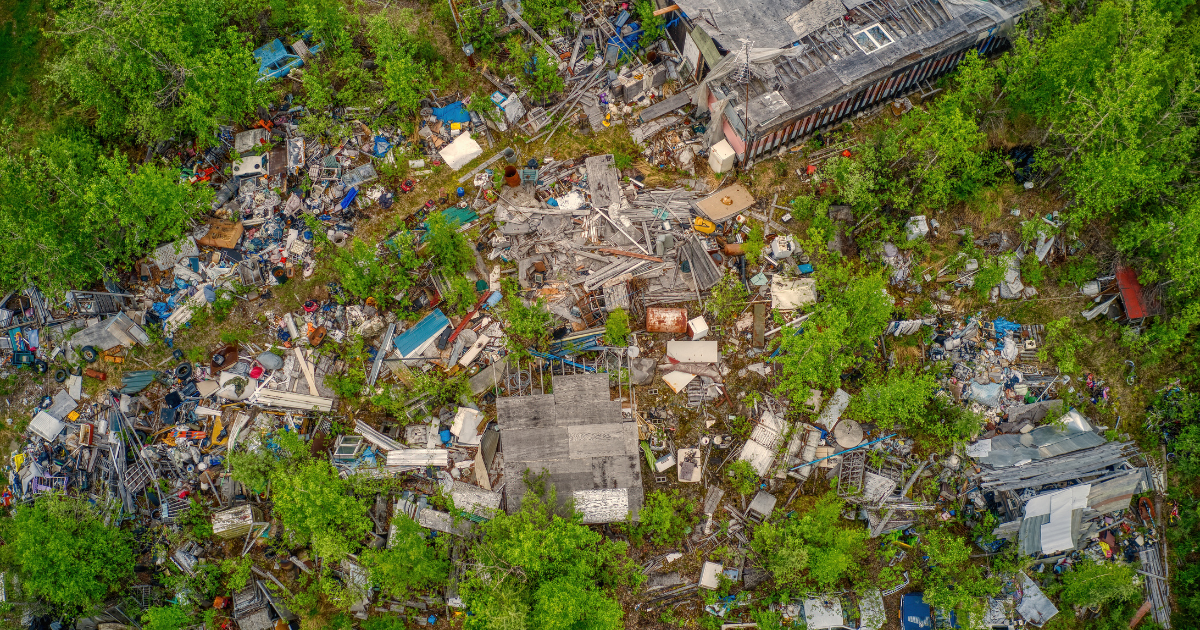
Extreme cases can result in dangerous conditions such as rooms stuffed ceiling-high with debris, walls out of sight, and narrow passages through precarious stacks of actively decaying waste that unexpectedly topple. Catastrophic collapses can injure and even bury people alive, and unsanitary hoards result when rotting food, garbage, or even human waste accumulate. Bacterial breeding grounds may explode under such conditions, drawing infestations of disease-bearing rodents and insects.
Nothing about an extreme hoarding situation is safe, and unwitnessed deaths in hoards do happen. Neighbors (if any) are typically accustomed to the location as a source of foul smell, so may or may not distinguish the odor human decomposition. When isolated people die alone in dangerously inaccessible spaces, it may be months — or even years — before the deceased is discovered; when such cases make it into the hands of funeral directors, the condition of the remains is unpredictable.
Such variety
Hoardings create highly particular micro-environments. Because conditions surrounding human remains directly affect the rate of decomposition, geographical climate at the location of the hoard matters (for example, August conditions inside a southern Florida home without air conditioning versus the arid heat of Utah or Nevada). The type of materials comprising the hoard affect their breakdown (bags of human waste, rotting food, decaying papers and clothing), which in turn affects air quality and humidity. Sometimes there are numbers of neglected animals or even their decomposing remains; hoarded animals often defecate freely indoors and may be infested with worms or fleas… all of which contribute to conditions around the body.
Dilapidation, plumbing failures/water damage, vermin, exposure to elements, and animal activity factor in, as do potential for mold, fungus and compromised roofing, walls, or foundations.
Retrieving remains and chain of custody
Safe recovery of remains can be a challenge. Along with the almost universally-expected mice, rats, and cockroaches, it’s possible to encounter raccoons or bats bearing rabies, parasites, and diseases like hantavirus (or worse). The entire site is a potential vector for disease and injury, and the location itself may be structurally unsound: decaying load-bearing supports or sagging floors, ceilings, or roofs, fire danger, and poor or nonexistent lighting.
Under such conditions, the task of recovery will probably fall to specialists for dangerous extractions (typically a fire department). And of course, as is typical in circumstances of unwitnessed deaths, the Medical Examiner’s office may enjoy the privilege of arranging such details before things are handed over to a funeral home.
Whatever the circumstances, undiscovered deaths of all sorts are sad. And however long it takes to play out, mummified or otherwise, whatever the condition of a body, the lens of compassion that’s the hallmark of death care pros preserves the dignity of the remains in where compassion and dignity matter as much as they do for all of us.