
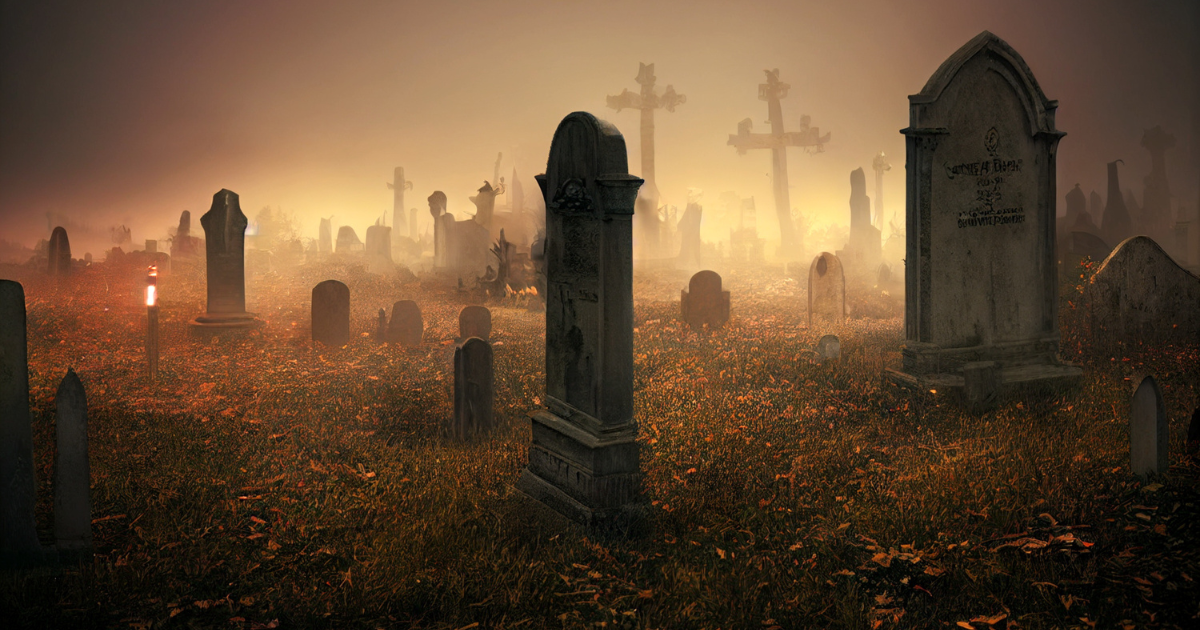

Graveyard Dirt: Encountering the Collectors
Graveyard dirt is exactly what it sounds like: dirt taken from a grave, often for the purpose of serving as an ingredient in spiritual and religious rites. It’s collected for a number of reasons, some mundane, others elaborate.
Recent scholarship on the ritual use of grave dirt traces its cultural depth from modern America back through the historical African diaspora. Some communities once attributed layered spiritual meaning to grave soil; in Hoodoo, graveyard dirt was used to mask scent trails to evade slave-catchers, or was included in protective mojo bags. Today, a related blend, “goofer dust,” mixes grave soil with ash or snakeskin for, er, darker purposes. Even ancient Egyptians may have used earth from graves in necromantic rituals.
It’s not the sort of thing American death care workers are likely to encounter daily, but ceremonial celebrations and observations of death are. And in the age of technology, we’re all becoming more familiar with new cultures and traditions all the time.
Voodoo viewing?
In recent years, pagan and folk forms of spirituality have become much more visible than they were historically. This is in no small part because popular culture is far more accepting of what were once taboo traditions — witchcraft, paganism, regional folk practices such as hoodoo or voodoo. Today, the almost workaday presence of what once might have been considered the “occult” makes it increasingly likely that death care professionals may encounter once-hidden rites in the ordinary course of their duties.
The purpose behind grave dirt collection is magical. Depending on the practitioner’s intent, soil may be taken from the grave of a loved one or a stranger. They may seek dirt from the grave of a person known for courage, charm, or authority, from a soldier’s for protection or strength, or from a preacher’s for influence or persuasion. When collected from loved ones, the soil may serve intimacy or attachment rites.
Power is attributed to the dirt itself, the grave reflecting the essence of the individual buried there.
Legalities
As for legal ramifications, it’s different state by state. For the most part, dirt is collected from the surface of the grave — no digging involved. At a graveside ceremony, a request for soil might occasionally be made to professionals. If it’s the family, the law can be fuzzy. Most sources state that permission is required. But often it is gathered quietly, without notice — under cover of darkness during specific lunar phases, or on meaningful dates or holy days. Most practitioners only collect a handful or so, and do not disturb headstones or memorials. It’s not grave robbing, but it can be classified as desecration, depending on the circumstances.
So it can be legally grey territory in most states. For those not legally attached to the grave or the family, taking even a handful of dirt without permission can be considered vandalism, theft, or desecration of a grave — all offenses punishable at the very least by fines. This extends to cemetery dirt as well, where nobody is buried — it’s still private property, so permission is required.
As religions and societies have evolved, different spiritual practices have come to light. There may be other uses for grave soil about which we are unaware presently that could come out in time.
For now, this one’s still a mostly uncommon request, and where it arises for the first time, it’s the sort of thing that could raise some eyebrows. A pragmatic awareness can’t hurt… of the practice as well as of the laws in your area.