

Clair Obscur: When a Video Game Speaks the Language of Grief
For a number of reasons, conversations about grief have increasingly moved beyond funeral homes, therapy couches, and church pews. They’re happening in cafes, bars, films, novels — and now, unexpectedly, in video games. One of the most striking examples is Clair Obscur: Expedition 33, a role-playing game that has become a breakout hit not simply because of its striking visuals or innovative combat system, but because it dares to place grief and loss at the very center of its story.
Deeply human
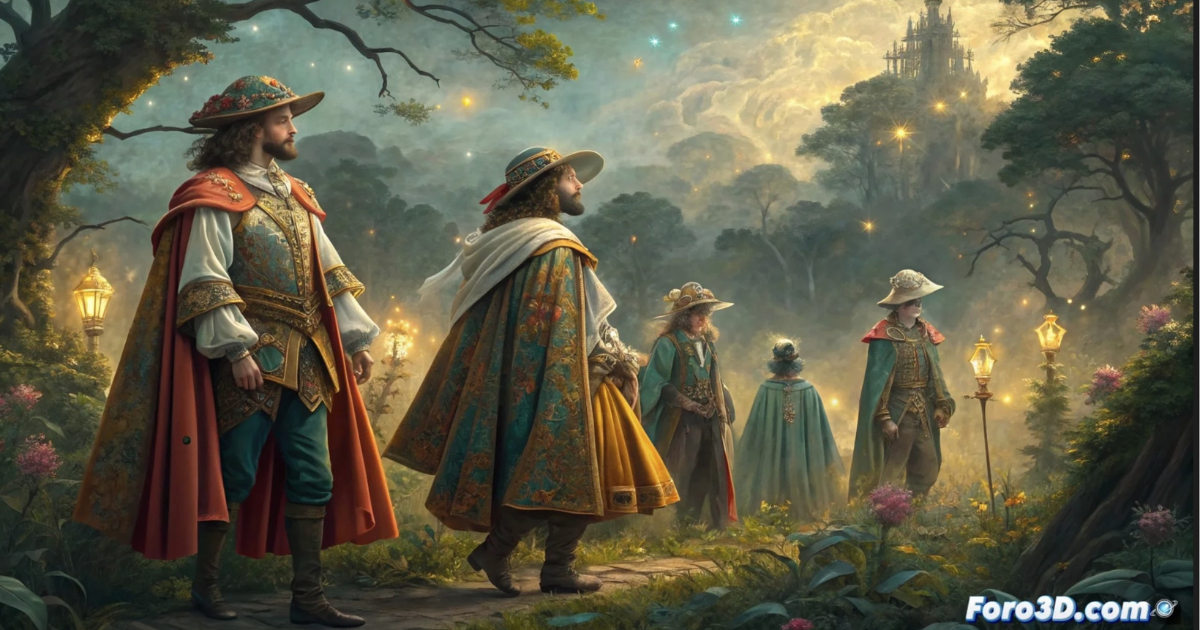
Developed by French studio Sandfall Interactive, Clair Obscur: Expedition 33 is set in a dreamlike world inspired by Belle Époque art and architecture. Each year, a mysterious figure known as the Paintress erases an entire generation of people at a specific age. The game follows a group of characters on what may be their final mission to stop her — knowing that time, quite literally, is running out.
While the premise sounds fantastical, the emotional undercurrent is deeply human. According to head writer Jennifer Svedberg-Yen, the game’s narrative grew from real-world experiences of collective loss, particularly during the COVID-19 pandemic.
“A massive force appears that is taking away our loved ones,” she recently told NPR, “and it feels quite hopeless at times.”
Real conversations
Rather than treating grief as a single emotional beat, Expedition 33 explores how loss reshapes identity. Each character responds differently — with defiance, resignation, humor, or quiet endurance. For deathcare professionals, this may feel familiar. We see every day that grief does not follow a straight line, nor does it look the same from one person to the next.
One of the game’s most powerful moments comes through a simple exchange.
“They say time heals all wounds,” one character reflects.
Another answers, not with certainty, but with acceptance: “Tomorrow comes.” The line resonates because it avoids platitudes.
Svedberg-Yen has spoken openly about drawing from her own life while shaping the characters.
“Maelle reflects a lot of the feelings I had growing up, feeling a little bit isolated,” she said, noting that other characters were influenced by different phases of adulthood and family experience. That personal grounding is what gives the story its emotional credibility. Players aren’t just witnessing grief; they’re asked to sit with it, make decisions within it, and live with the consequences.
Light in the darkness
Importantly, the game isn’t unrelentingly dark. Moments of joy, absurdity, and connection appear throughout the journey. Svedberg-Yen described these lighter passages as intentional — reminders that “even in the darkest of times,” people still laugh, still love, still find meaning.
That balance may explain why Clair Obscur: Expedition 33 has resonated so widely. The game has earned critical acclaim, major industry awards, and a devoted global audience. Yet its success is not rooted in spectacle alone. It speaks to a shared human truth: grief is not something we defeat, but something we carry — shaping who we become and how we move forward.