
RIP Penny: Remembering the Late, Great U.S. One Cent Piece
For 232 years, the one-cent piece has been an American staple, and not just as a token to exchange for a piece of candy or a pound of oats. Pennies have taught millions of kids to count, weighed down the hems of curtains and dresses, helped us gauge the depth of the tread on our tires, and have been traded for countless thoughts, wishes, and streaks of good luck.
Commemorating the copper coin
Yes, the penny has enjoyed a long, robust, and memorable existence — but like all good things, the life of the one-cent coin has, alas, come to an end. On November 12, 2025, the U.S. Mint officially marked the final strike of the circulating penny, citing rising manufacturing costs (in 2018, it cost two cents to make one penny).
Although on that day the Mint honored the occasion of the penny’s demise with a small ceremony, the coin certainly deserved a much larger celebration. So, on December 20, 2025, hundreds of black-clad mourners gathered at the Lincoln Memorial in Washington, DC to pay their respects to the late one-cent piece. They tossed pennies into a white casket, shared copper-colored crafts, paid homage to Abraham and Mary Todd Lincoln, and reminisced about the “take a penny, leave a penny” bowls at check-out registers. It was a beautiful celebration of life.
In memoriam
If you have not had time during this busy holiday season to stop and ponder your fondest recollections of the American penny, perhaps these milestones in the life of the mighty cent might spark your memory:
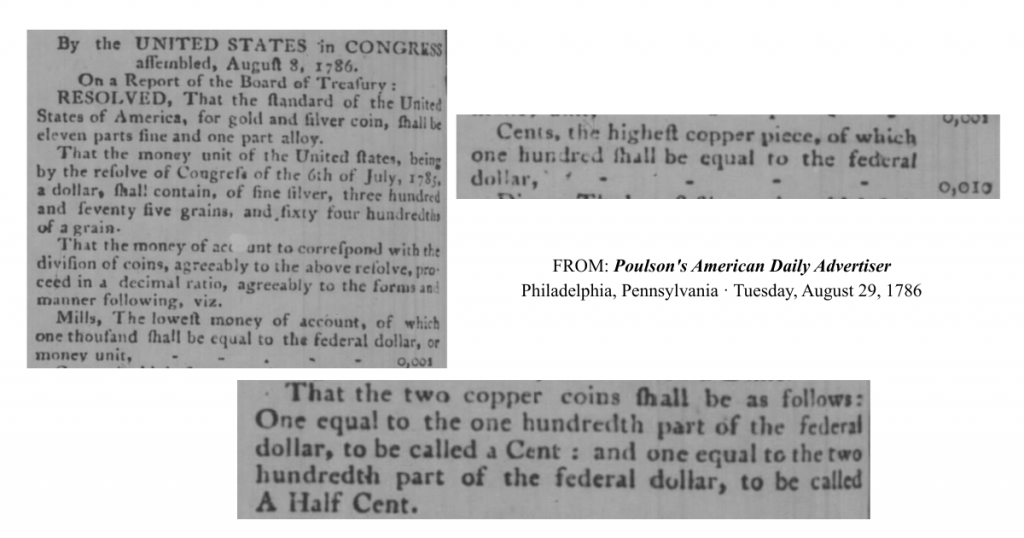
1786: The U.S. Congress resolves to create the first American money units, including the “highest copper piece, of which one hundred shall be equal to the federal dollar.”
1787: The first U.S. one-cent coins, copper coins designed by Benjamin Franklin, were struck by the U.S. Mint
1815: No pennies were minted due to copper shortage caused by the War of 1812 with Great Britain.
1857: Pennies became smaller, mixed with nickel (88% copper, 12% nickel) and featured a Flying Eagle.

1859: The smaller, bronze “Indian Head” cent was introduced, replacing the large cents. Most Indian cents minted during the Civil War went primarily to pay Union soldiers.
1909: Lincoln Cent introduced for Lincoln’s birth centennial, featuring his profile (first real person on a U.S. coin) and wheat stalks on the reverse (Wheat Penny). The Lincoln penny was also the first U.S. cent to include the words “In God We Trust.”
1936: Bing Crosby popularized the song “Pennies from Heaven” in a film of the same name.
1943: Steel pennies (zinc-coated) used to save copper for WWII; these were prone to rust and are now rare.
1950s: Students tucked into the strap of their “penny loafers” shoes for good luck or to make payphone calls, solidifying the shoe’s iconic status.
1959: The reverse design changed from wheat stalks to the Lincoln Memorial, marking the 150th anniversary of Lincoln’s birth.
1997: A 55-year-old man died from severe zinc toxicity after swallowing a total of 461 coins, including 425 pennies.
2015: One of 10 known 1792 Birch Cents, featuring “Liberty Parent of Science & Industry,” sold for $2,585,000 at auction.
Mark your calendars
Sometime within the last 50 years, three observances were established to honor the penny:
- April 1: National Penny Day
- Feb 12: National Lost Penny Day
- May 23: National Lucky Penny Day
We should all give thanks for the long and fascinating journey of the American penny. And that’s my two cents (lol).