

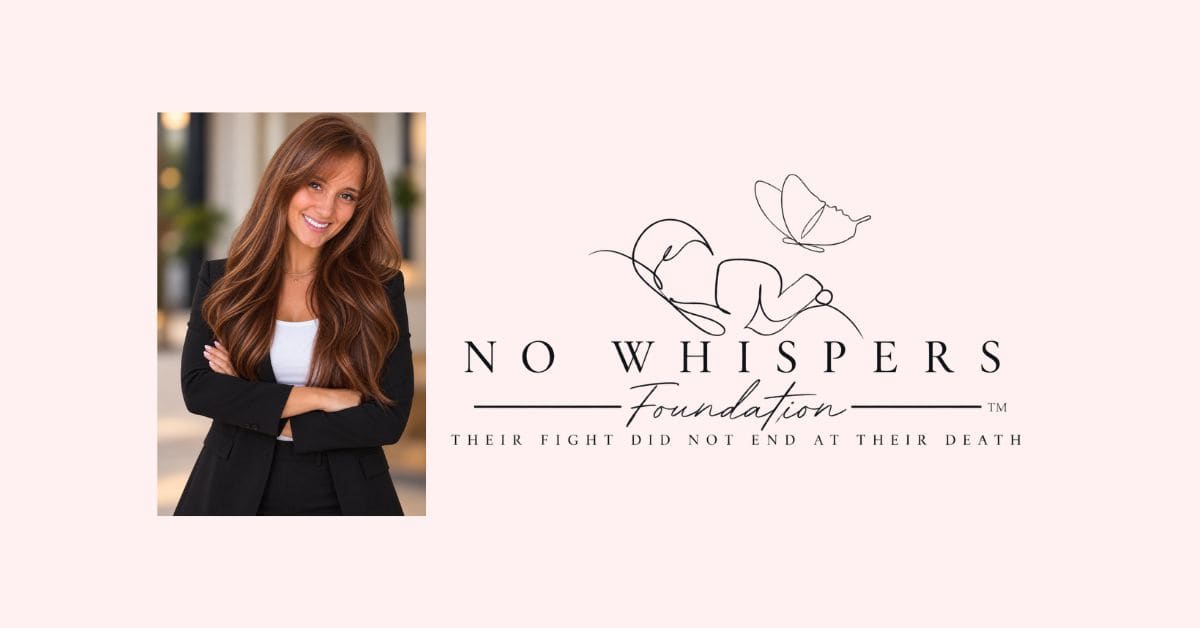
Some things can’t be compartmentalized indefinitely. They have to be dealt with and acted upon if you’re going to be able to keep moving forward. True, creating a positive outlet for a heartbreakingly negative event can be extremely difficult, but letting it simmer can be dangerous. It’s a fact that Taylor Mendoza knew intuitively, even though she’s a first generation funeral director.
Mendoza found her way into the profession largely by accident, but every move since then has been intentional, with an eye toward making the unthinkable a little more bearable. She hadn’t really considered becoming a funeral director, though she was interested in the science aspect of it, which led her to call on Miller Mortuary, a Lubbock, Texas, care center. They were the first to offer her a tour and take her questions seriously. Before long she was working there and continued through as she started class at Commonwealth Institute of Funeral Service.
While there, Mendoza gravitated toward restorative arts which she had both a passion and a knack for. Working in the care center as she completed her education, she continued honing her art. There are always tough cases. As you know, not everyone dies of old age. Some die young and violently. Mendoza was pregnant with her son when she had her first child abuse case, and it was just as you imagine. She was prepared that it might happen but didn’t fully expect the emotions that came with it.
“When you’re embalming someone, you put all your feelings to the side about the decedent, about the situation, about how sad it is, you put all that to the side,” she said. “But whenever it’s something as extreme as abuse and in these cases, children’s deaths, it’s a lot harder to not let your own human emotions take control.”
She finished the case and moved on, but it stuck with her. Eventually she went to work at Combest Family Funeral Homes. Unlike when she was working at Miller Mortuary, Mendoza was meeting with families, which made her second child abuse death all the more difficult. The grandparents were making the arrangements, as the parents were in jail.
She was pregnant with her daughter at the time.
“Some funeral directors choose to forget things by drinking or, you know, just putting it away, storing it away and never touching it again,” Mendoza said. “I didn’t want to do either of those. I wanted to be able to handle it in a healthy way.”
Hearing about the difficulty the grandparents were having paying for the funeral, and knowing how critical restoration can be in cases like this, Mendoza was moved to act. She thought about the notion of compartmentalizing and was brought to the idea that became the No Whispers Foundation. Pretending that children don’t die from abuse isn’t just unhealthy for an embalmer, it’s unhealthy for a society. As difficult to face these deaths as it is, not talking about it won’t make it go away. Beyond raising awareness, though, No Whispers aims to fill a gap in Texas’ process for supporting murder victims’ families.
The state has a fund that will provide $6,500 toward the funeral of a murder victim if the family doesn’t have the means. Sometimes the backups can be almost a year and, increasingly, funeral homes aren’t willing to wait for the state assistance, asking the family to pay at the time and await the compensation.
Working with Lubbock Victims Assistance Services, Mendoza started a foundation to cover the funeral expenses for children who are victims of abuse. As a restorative artist, Mendoza understands how, especially for those who have found the decedent or identified them, embalming can make a difference in the grieving and closure process.
“It’s important to restore a more peaceful final image of their loved one,” she said.
Earlier this year, Mendoza held her first major fundraiser, the Hope in Every Color run. She also helped her first family. It’s strange. Certainly Mendoza would be perfectly happy if there were never any more cases of child murder. She certainly wouldn’t mind if that first family was the last in Lubbock to need her support, but that’s unlikely.
And, of course, these types of deaths aren’t specific to Lubbock. She would eventually like to grow the foundation so she can help support more families. After all, this is a relatively new enterprise, and she remains under the umbrella of Lubbock Victims Assistance Services.
The more important thing, though, is making the act. When things are too horrible to compartmentalize, the best you can do is incorporate your heartbreak in to positive forward motion. It’s a lesson worth learning no matter what a person’s hardest case might be.