

Article originally printed in the Memorial Business Journal
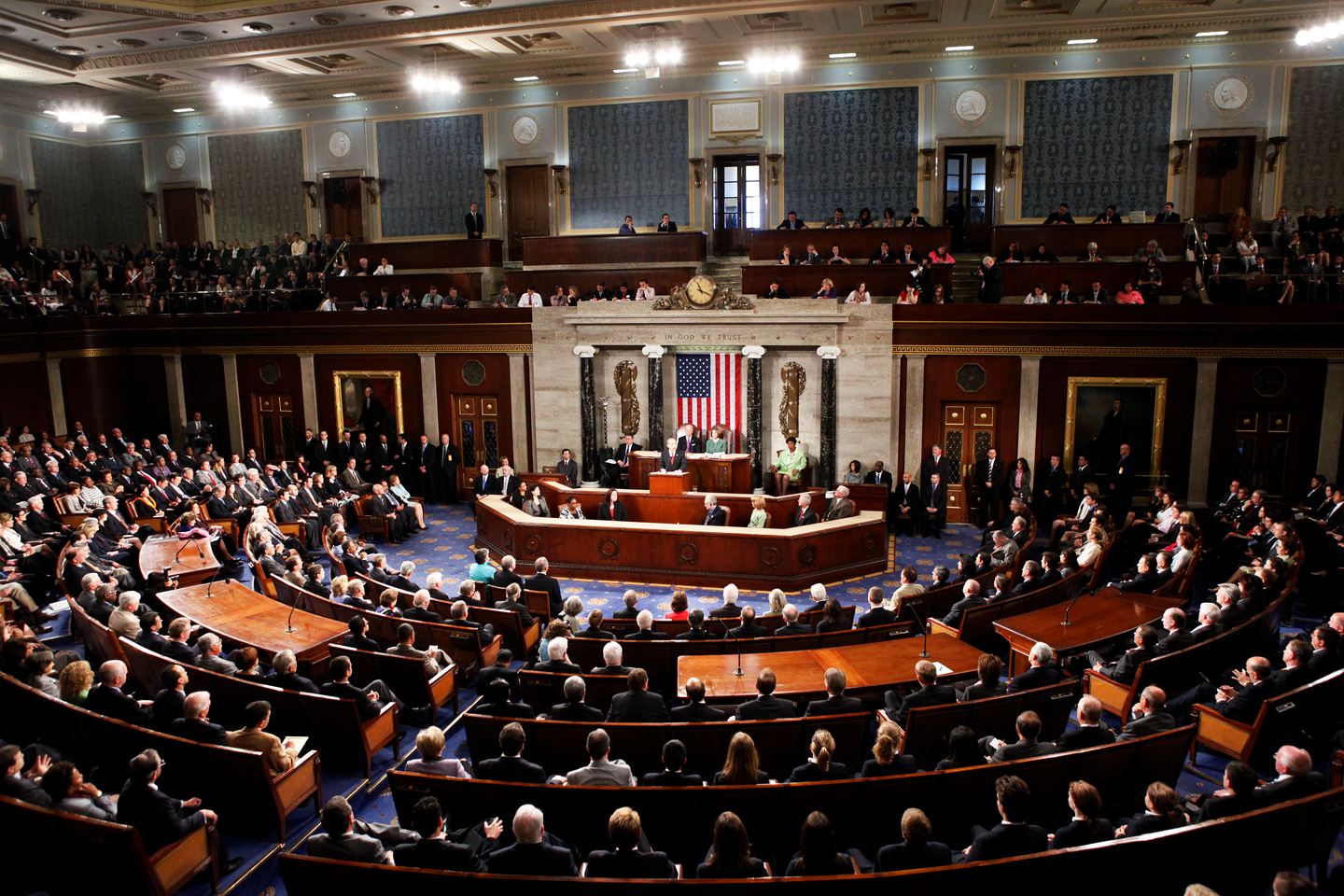
Not to be lost under all of the “fiscal cliff” posturing over the past two weeks in Congress was the action on December 30 when the House passed, by voice vote, S.3202, the “Dignified Burial and Other Veterans’ Benefits Improvement Act of 2012.” The bill now goes to the president for signature.
According to John H. Fitch Jr., senior vice president of advocacy for the National Funeral Directors Association, the bill was strongly and actively supported by NFDA and includes several key provisions that NFDA has been working to have passed.
Fitch outlined those provisions:
• Requiring the secretary of Veterans Affairs to furnish a casket or urn “of such quality as the secretary considers appropriate for a dignified burial in a national cemetery” for veterans with no next of kin or when sufficient resources for
the burial are not otherwise available. The casket or urn must be in compliance with appropriate industry standards. This provision is effective one year after enactment.
• With respect to the burial, interment or funeral, memorial service or ceremony of a deceased veteran at a national cemetery, the secretary shall ensure that the expressed wishes of the next of kin or other agent of the deceased veteran are respected and given appropriate deference when evaluating whether the event affects the safety and security of the national cemetery and visitors to the cemetery. This provision is effective from and after enactment.
• The secretary shall give access to any honor guard unit, including those of any VSO [Veterans’ Service Organization] or other non-governmental group providing services to the deceased veteran, to public areas of a national cemetery if requested by the next of kin or other authorized agent. This provision is effective from and after enactment.
• With respect to each deceased veteran who is transported to a national cemetery for burial, the secretary shall ensure that the local medical examiner, funeral director, county service group or other entity responsible for the body of the deceased veteran before such transportation submits to the secretary (a) whether the deceased was cremated and (b) steps taken to ensure that the deceased veteran has no next of kin. [NOTE: A deceased veteran described in this subsection is one who has no next of kin or other person claiming the body of the deceased veteran and who does not have sufficient resources for furnishing a casket or urn.] The secretary shall pay the funeral expenses and transportation costs for the deceased veteran. This provision takes effect 180 days after enactment.
• The secretary shall cooperate with VSOs to assist entities (funeral homes) in possession of unclaimed or abandoned human remains to determine if such remains are those of a veteran or other individual eligible for burial in a national cemetery under the jurisdiction of the secretary. This provision is effective one year after enactment.
“Suffice it to say, this is a major victory for our nation’s veterans,” Fitch said.

Does this new law mean if a Veteran’s kin or responsible party claim poverty the Feds will purchase a complete funeral service and casket or urn for the Vet?
>>“Suffice it to say, this is a major victory for our nation’s veterans,” Fitch said.<<
Victory for our Veterans? How can that be? They are dead and know nothing about this law. Be honest…this is a victory for the funeral folks!
In my opinion, if someone is willing to put their life on the line to fight for their country, their country should a bare minimum take part in their service after passing if no one else can help.
Their country is all they have left, and they were living to give their life for it. If their country turns their back on them after they have passed, why would they risk their life for their country in the first place.
Give and Take – Its never a one way street
Personally, we can’t do enough for our veterans and when one of them dies indigent and forgotten or shunned by their family, the remains should at least be assured of a dignified burial. That said, I don’t see this as a “victory” for funeral homes a such. Lost perhaps under the self- congratulations is the fact that this new law puts the federal government in the business of a third party casket and urn provider. Under the limited circumstances of caring for the remains of indigent vets, nobody should complain. But when has a government benefit program ever stayed limited to its original purpose? This concern should give us pause.
A second concern is the law’s requirement that the VA must provide Congress (within six months) with a report showing that the caskets and urns provided meet “industry standards” for dignity. Can somebody please send me a copy of those standards? You catch my drift – where will the VA obtain such standards and what will these look like?