
Connecting Directors
  • Home
  • Funeral News
    • Company News & Mergers
    • Association & Regulatory News
    • Legislative Updates
    • Supplier Announcements
  • Community & Culture
    • Lighter Side
    • Grief Conversations
    • Director Spotlights
    • Community Outreach
  • Trends & Innovations
    • Products & Startups
    • Tech & AI
    • Cremation & Aquamation
    • Green/Natural Funerals
  • Professional Guidance
    • Leadership & Management
    • Marketing & Social Media
    • Staffing & HR
    • Customer Service
    • Preneed & Sales
  • Video
    • DISRUPT! Series
    • Interviews & Panels
    • Trending Videos
    • Product Demos
No Result
View All Result
  • Home
  • Funeral News
    • Company News & Mergers
    • Association & Regulatory News
    • Legislative Updates
    • Supplier Announcements
  • Community & Culture
    • Lighter Side
    • Grief Conversations
    • Director Spotlights
    • Community Outreach
  • Trends & Innovations
    • Products & Startups
    • Tech & AI
    • Cremation & Aquamation
    • Green/Natural Funerals
  • Professional Guidance
    • Leadership & Management
    • Marketing & Social Media
    • Staffing & HR
    • Customer Service
    • Preneed & Sales
  • Video
    • DISRUPT! Series
    • Interviews & Panels
    • Trending Videos
    • Product Demos
No Result
View All Result
Connecting Directors
No Result
View All Result
Home Uncategorized

Deadly Everest

Jennifer Trudeau by Jennifer Trudeau
January 11, 2023
in Uncategorized
0
Everest
13
SHARES
31
VIEWS
https://www.facebook.com/disruptmg/https://il.linkedin.com/company/disrupt-media

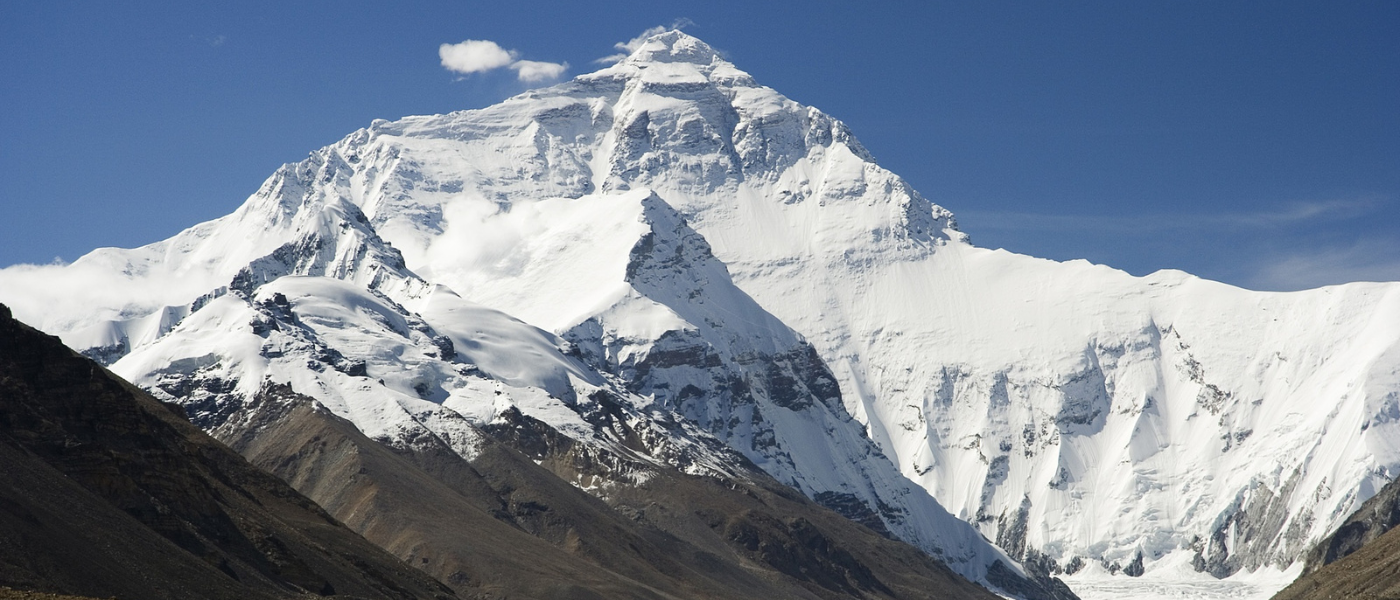
In addition to being the tallest summit and highest point on earth, Mt. Everest is also deadly.  Since it was first conquered in 1953, over 500 people attempt to summit each year and each year, people die.  There are more than 300 Everest climbing deaths on record, and more than 200 of those bodies remain on the mountain, many right where they fell. 

The death rate is roughly 1/100… yet the number of climbers continues to increase steadily. 

29,031.7 feet / 8,848 meters / 5.5 miles

That’s high.  Five miles up into the sky.  It’s steep.  Falls happen, particularly in areas like the Khumbu icefall – one of the first obstacles climbers encounter on their way up.  The head of the Khumbu glacier (Nepal’s largest), the icefall is a massive, irregular river of jutting, towering ice.  It creeps down the mountainside at an average of 3 feet per day, and its 3000-meter span is one of the most dangerous stretches of any part of the Everest ascent.

The (slippery, treacherous) icefall, full of crevasses, can take hours to cross.  Most climbers attempt it between 3 and 5 am, well before sunrise.  Calving ice, collapsing slabs called “seracs” – which may be the size of ten-story buildings — are another unpredictable, perpetual threat.  In 2014, one falling serac killed 16 climbers in the icefall.

Bitter Cold

Everest temperatures also take no prisoners. During the winter, high on the world’s highest mountain, summit winds can reach speeds of 177 MPH (that’s the strength of a category 5 hurricane), with temperatures getting down to -76 Fahrenheit. 

But each spring, usually in May, a narrow window of relatively temperate weather comes and stays for maybe two weeks, tops.  This is when climbers try for the summit, and even then temperatures fluctuate widely.  Days may be warm enough for bare arms and T-shirts, but nights are always cold, and they get colder the higher you go.  At the summit, no matter what the time of year, temperatures never rise above freezing.

That relentless, frigid chill takes a toll over time.  And it takes weeks to make your way to the top… but  not due to great distance. 

Going up more than about 2500 feet every 3-5 days can kill you fast.  Climbers spend weeks in the lower altitudes getting used to each stage of the climb – “acclimatizing” – preparing their bodies for low-oxygen conditions, specifically to avoid some of the nastier afflictions that come with an over-eager ascent.  It’s not always enough.

The Death Zone

At a certain altitude – 26,000 feet – air pressure is drastically less than it is at sea level, and this causes all kinds of trouble:  fluid in the lungs (high altitude pulmonary edema), high pressure inside the skull around the brain (high altitude cerebral edema), and confusion and impaired cognition (which have resulted in climbers wandering right off of cliffs to their deaths). 

At sea level, oxygen blood levels of healthy individuals are about 98%.  In the Death Zone, this saturation drops significantly.  The body attempts to compensate for this drop in oxygen saturation in the blood in several ways:  by increasing production of an enzyme that helps blood release the oxygen it carries; by increasing the number of red blood cells (which carry oxygen); and by increasing how deeply one breathes.

The longer a person remains in the Death Zone, the worse his chances for escaping it become.  He’ll need strength and dexterity to get back down below 26,000 feet of elevation before it gets dark and the wind kicks back up and another 40 or 50 degrees are lost to the darkness and wind.  And if the weather should suddenly take a turn for the worst, rescue even by sherpa may be impossible.

Jennifer Trudeau
Jennifer Trudeau

Contributor writing on grief, memorialisation and the human side of funeral service.

All posts by Jennifer Trudeau

Related Articles

UncategorizedFuneral Service Foundation Announces $100,000 Gift from Funeral Directors LifeMay 8, 2023Morticians' Monday Morning MashupScrapyard Rescues & ScareBnbs | 4M #86May 8, 2023UncategorizedEllen McBrayer Wins Inaugural NFDA Inspiration AwardMay 6, 2023
Tags: Mt. EverestUnusual deaths
Previous Post

A Dutch Company Converted a Tesla Model 3 Into a Hearse and the Reaction is *FIRE*

Next Post

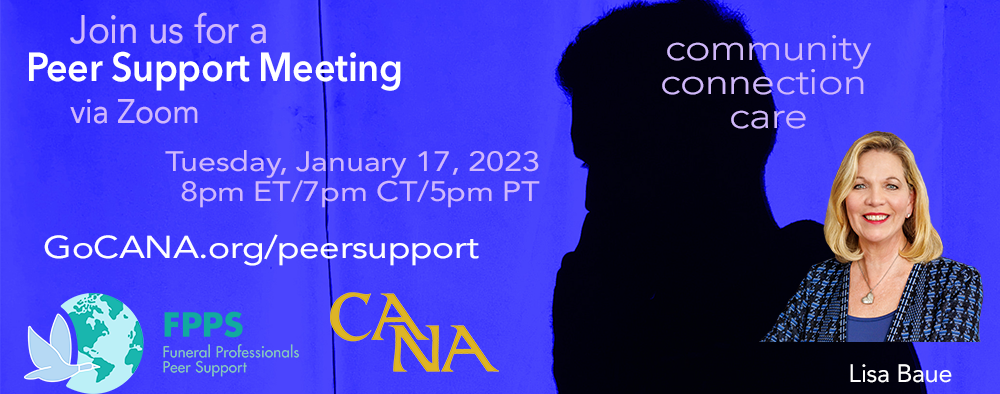
Peer Support for Transitions and Trust

Next Post
CANA Peer Support

Peer Support for Transitions and Trust

Job Posts Powered By: Deathcarejobs.com

Connecting Directors

Recent Posts

  • Tesla’s Flying Car Announcement Sparks Heated Debate Among Funeral Directors | FFFW 303
  • She Was Gone for 130 Years. This Funeral Director Brought Her Home
  • Not Your Grandpa’s Deathcare Community: Death Rocks Club Opens for Funeral Directors

Categories

  • Association & Regulatory News
  • Community & Culture
  • Community Outreach
  • Company News & Mergers
  • Cremation & Aquamation
  • Customer Service
  • Director Spotlights
  • DISRUPT! Series
  • Friday Funeral Fast Wrap
  • Funeral News
  • Green/Natural Funerals
  • Grief Conversations
  • Interviews & Panels
  • Leadership & Management
  • Legislative Updates
  • Lighter Side
  • Marketing & Social Media
  • Morticians' Monday Morning Mashup
  • Most Popular
  • Preneed & Sales
  • Product Demos
  • Products & Startups
  • Professional Guidance & Resources
  • Staffing & HR
  • Supplier Announcements
  • Tech & AI
  • Trending Videos
  • Trends & Innovations
  • Tukios
  • Uncategorized
  • Video
  • Community & Culture
  • Home
  • Home

© Connecting Directors. All rights reserved.

No Result
View All Result
  • Home
  • Funeral News
    • Company News & Mergers
    • Association & Regulatory News
    • Legislative Updates
    • Supplier Announcements
  • Community & Culture
    • Lighter Side
    • Grief Conversations
    • Director Spotlights
    • Community Outreach
  • Trends & Innovations
    • Products & Startups
    • Tech & AI
    • Cremation & Aquamation
    • Green/Natural Funerals
  • Professional Guidance
    • Leadership & Management
    • Marketing & Social Media
    • Staffing & HR
    • Customer Service
    • Preneed & Sales
  • Video
    • DISRUPT! Series
    • Interviews & Panels
    • Trending Videos
    • Product Demos

© Connecting Directors. All rights reserved.