
Old Cemeteries Are Presenting Some New and Complicated Problems
As a student of local history and an avid genealogist, I have a “thing” for cemeteries. I love to find them, visit them, and learn the stories of each property and its inhabitants. Early in my own family history journey I found an obituary for my would-be aunt, one of three of my mother’s siblings who died in childhood. The simple announcement stated she was buried in our city’s oldest and largest cemetery, but her name wasn’t on any published list of burials — even in the city’s own records. Further research revealed that she wasn’t the only person whose resting place on that property was lost to history.
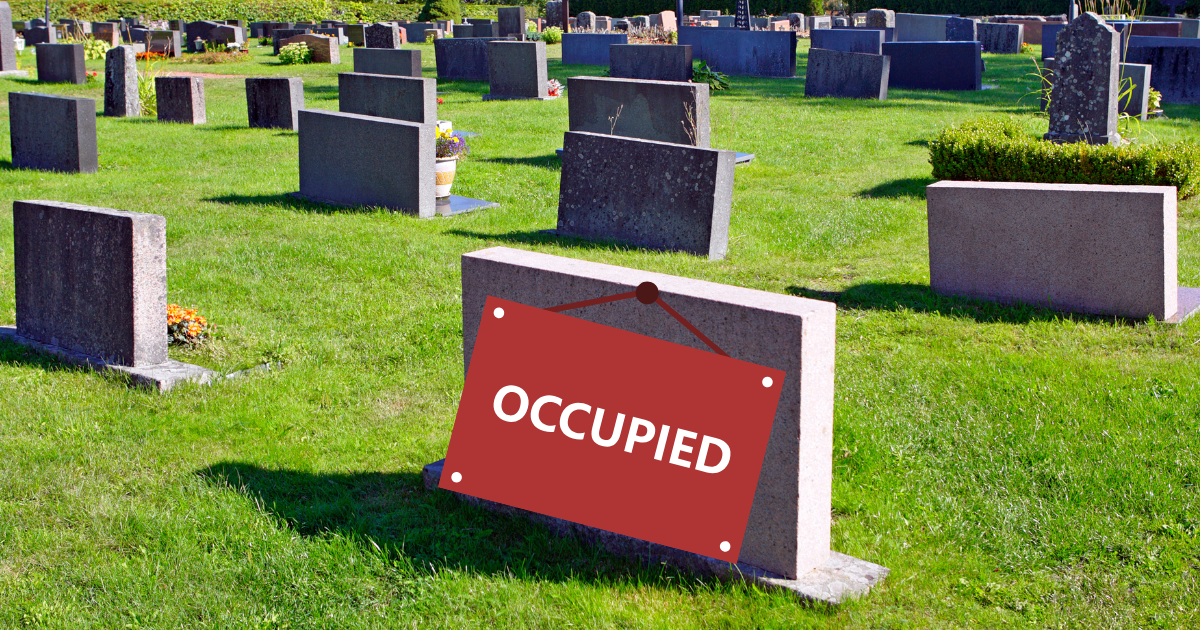
While I’d love to wax poetic about the importance of permanent memorialization and the absolute heartache unmarked graves and uninterred cremated remains bring to researchers like me, I’ll spare you that op-ed (for now). The real problem — the one that could easily impact the deathcare professionals at funeral homes and cemeteries today — is the potential of digging a new grave only to find that it’s already occupied.
Perpetuity has limitations
Although grave leasing — paying for burial rights for a set amount of time — is common practice in parts of Europe, Asia, and Australia, we Americans like for our loved ones to stay put in the plot where we place them forever and ever. Modern U.S. cemeteries promise to maintain our resting places “in perpetuity.” While we don’t technically “own” the land in which we are buried, the fee we pay for a plot is supposed to ensure that that is truly the final resting place of whoever ends up there.
But what if a company, city government, or board of volunteers decide to stop managing the cemetery grounds? What if old records get lost, or an unmarked grave is never recorded? Or what if (and we’ve seen this happen, sadly) something nefarious happens and a crooked employee sells the same plot multiple times?
Honestly, doing anything “in perpetuity” is kind of a crazy concept. The word itself means “forever” or “for an unlimited amount of time,” and it’s hard to find examples of anything that can really be maintained until the end of time. Four thousand years ago, Ancient Egyptians built 450-foot-high pyramids as permanent monuments to the royal leaders interred in them, but more of those are believed to have been lost compared to the number of pyramids archaeologists have actually found. There’s even speculation about the real location of the tomb in which the body of Jesus was laid — and if that wasn’t a spot to be memorialized in perpetuity, I don’t know what is.
Hard decisions
I’d venture to guess that every community has a cemetery (or several) with unmarked graves and undocumented burials that is still accepting new interments. If so, there is a very good chance that cemetery authorities will encounter the problem that occurred in Lafayette, Colorado last fall.
In September 2025, city workers digging a grave in the historic Lafayette Cemetery “encountered unexpected human remains.” An investigation found that this probably wasn’t the only burial that was not recorded over the 150 years the cemetery has been in operation — so some hard decisions had to be made.
After 10 months of research and deliberation, Lafayette city authorities announced last week new burial guidelines designed to prevent the unintentional disinterment of previously-buried remains. Before January 31, 2027, plot owners must now choose from four options:
- Sell their plot back to the city for a specified amount,
- Relocate to a designated alternate cemetery and receive a partial refund,
- Choose cremation and burial of cremains only, or
- Pursue a traditional casket burial if the plot appears available, with a backup burial plan in place if human remains are discovered during excavation.
The last option is described by another outlet as a “rare exception” to be pursued only if “conditions are deemed safe, based on data including ground-penetrating radar findings.”
A compounded problem
The decisions made in Lafayette weren’t easy to reach, and, of course, families who hoped to be buried alongside their already-interred loved ones will have to make some very tough choices. Lafayette authorities have reached about 100 of the 450 affected plot owners, but have been unable to connect with the rest, either because there is no contact information on file or the owners simply haven’t responded.
Chances are quite good that the owners of those other 350 plots will find out about these new rules from the funeral director who is tasked with a preneed arrangement or an at-need grave opening. Chances are even better that Lafayette isn’t the only cemetery authority that will have to halt an opening, delay a burial, and deliberate next steps in the near future. Perhaps the options this cemetery landed on can be a template or starting point for the next one.