
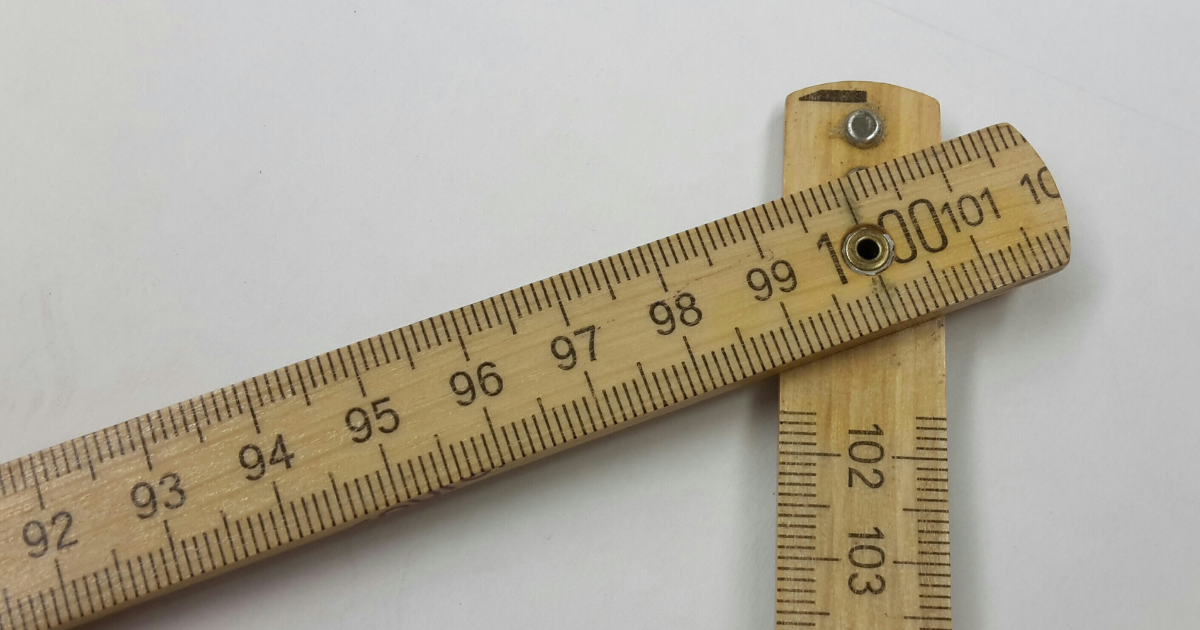

Casket Size Discrepancies: Measured Twice, Still Won’t Fit
Any given day in the life of an intrepid funeral director is likely to be jam-packed with unanticipated incidents requiring creative solutions. Workflow volume unpredictably already affects everything from timing to storage capacity and staff availability, and chain-of-custody requirements and the biological realities of decomposition allow for little flexibility.
One of the last things you want to deal with is a casket that won’t fit the deceased. Yet it happens: a body that measured within nominal limits may encounter unexpected resistance at the shoulders or hips during placement, or appear to exceed the available interior space despite careful preparation. Even when measurements were accurate, by casketing time the entire container can seem to have shrunk.
Such casket fit discrepancies are uncommon but not unfamiliar challenges in funeral practice. How does it happen? Frequently the causes include subtle differences between expected and stated dimensions, usable interior space, and/or postmortem physical variability. The issue is rarely measurement error, but the nature of the systems involved: biological variability and manufactured interiors. Expecting perfect correspondence between the two every time is unrealistic.
Nominal vs. usable interior space
Of course, manufacturer-provided casket dimensions may not always accurately represent the amount of usable interior space. Lining, padding, and contour shaping all affect fit for the occupant and reduce available functional space. Enhancements and design features serve aesthetic and even structural purposes, but they also narrow margins when body dimensions approach standard limits.
Measurement technique and positioning may contribute. Alignment, posture, and timing relative to postmortem changes can produce variations in recorded dimensions. These differences can be minor, but in cases where measurements are near standard thresholds, even minimal discrepancies can affect placement.
And of course, body dimensions aren’t static. Postmortem changes like fluid redistribution, mild bloating, rigor mortis, and the addition of clothing or prep materials can subtly alter overall profile. Even minimal girth expansion or rigidity may affect placement when clearance is limited.
Fixes
Familiarity with manufacturer specifications and interior construction helps guide decisions; alternate casket options likewise. These practical measures reduce the likelihood of disruption and help ensure continuity of preparation.
There’s so much variability involved in working with both human remains and manufactured materials. Funeral directors manage astonishing varieties of uncertainties on the fly through experience, careful vendor selection, and contingency planning. It’s practically a superpower. The ability to anticipate and manage these variables reflects the depth of professional skill funeral directors apply every day.