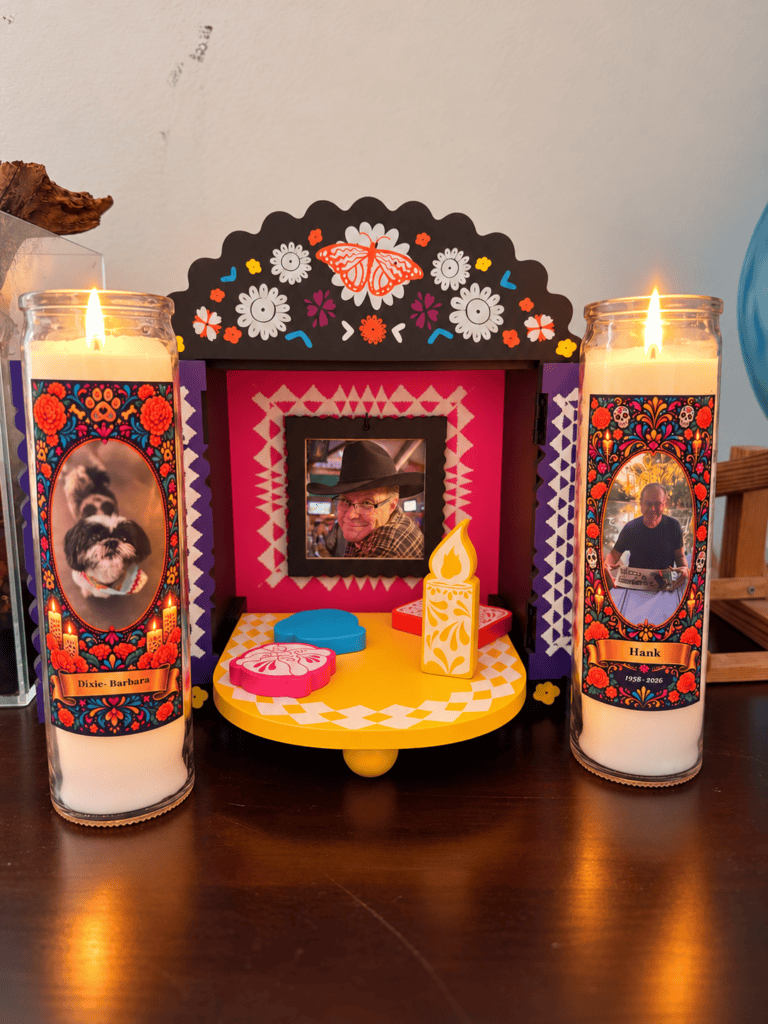

Every autumn for years, Katey Houston has set up a remembrance altar at home. This year it held two new photos. One was her dog, Dixie. The other was her best friend, Hank, a funeral director who died this year.
Houston is a funeral director too, with more than 20 years in deathcare, and she has spent most of that time helping other families say goodbye. Setting Hank’s photo where she would see it every morning reminded her how rarely the rest of the country does the same.
“The funeral ends and the photos go in a drawer,” said Houston, now Head of Relationships and Community at Parting Stone. “Having Hank out where I could see him every day felt like the opposite of what society asks grieving people to do, which is keep it to themselves.”
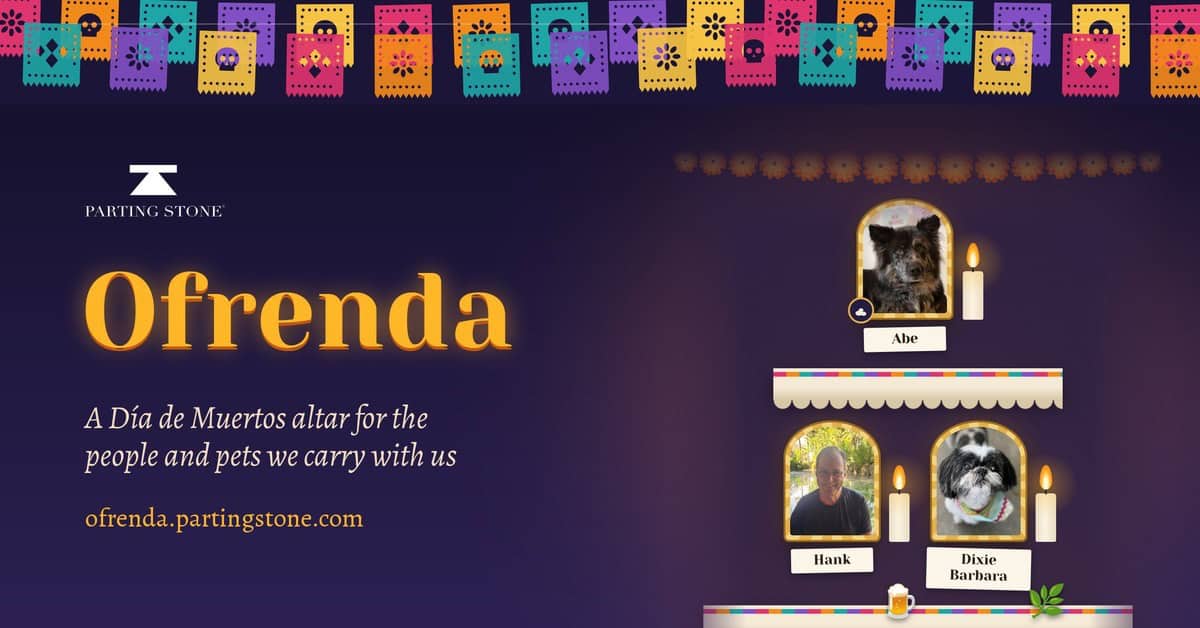
That moment became Parting Stone’s digital ofrenda, a free online altar built to bring the dead back into view. It opens October 18 at ofrenda.partingstone.com, and anyone can add a loved one, an ancestor, or a pet who has died. Each one goes up with a candle beside them. On November 1, every candle on the altar lights at once.
The internet already has plenty of places where the dead linger: the Facebook profile that still sends birthday reminders, the LinkedIn page congratulating someone on a work anniversary they’ll never see. This one was built on purpose.
And yes, you can bring snacks. Food has always belonged on an ofrenda, where families set out the dishes and drinks their loved ones enjoyed. It’s an act of hospitality. After the long journey home, the dead are welcomed with what they loved most, and it’s said they take in the aroma and essence of the food. Afterward, the living often share it together. On the digital altar, a family types in a favorite food and it appears on the shelf beside the candle as a playful emoji. Coffee for Dad. Lemon cake for Grandma. Hank got a beer. Dixie got seaweed, which Houston swears was her favorite.
History of the Ofrenda
Families who celebrate Día de Muertos have built these home altars for centuries, a practice with Indigenous roots that welcomes the dead home each year with marigolds, candles, and photos. The digital version shares that history on the page and encourages visitors to learn from the Mexican and Mexican American communities who carry the tradition.
“Parting Stone believes in keeping loved ones close, long after death. Día de Muertos was built on that idea long before we were here,” said Justin Crowe, CEO and founder of Parting Stone. “This year we wanted to give families one more place to remember loved ones.”
A place for our own
For funeral professionals, the invitation is personal. People in deathcare spend their days holding space for other families’ grief and rarely make room for their own. Houston hopes colleagues who have lost someone, whether a parent, a partner, a mentor from the trade, or a beloved dog, will add them to the altar.
“We’re so good at caring for everyone else’s dead,” Houston said. “I’d love to see this altar full of the people who taught us how to do this work. Hank is up there. I’d love for him to have company.”
The site works in English and Spanish and stays open through November 2. On November 1, families who sign up get an email that morning inviting them to come and see the candles lit. Families confirm they have permission to share each photo, every submission is reviewed before it goes up, and any photo comes down on request.
Funeral homes are welcome to share the ofrenda with the families they serve or post it on their own social media. Houston is quick to add there’s no expectation. “If it helps one family say a name out loud this year, that’s enough.”
Add someone (snacks optional): ofrenda.partingstone.com
Open October 18 through November 2. Candles light November 1.