
Connecting Directors
  • Home
  • Funeral News
    • Company News & Mergers
    • Association & Regulatory News
    • Legislative Updates
    • Supplier Announcements
  • Community & Culture
    • Lighter Side
    • Grief Conversations
    • Director Spotlights
    • Community Outreach
  • Trends & Innovations
    • Products & Startups
    • Tech & AI
    • Cremation & Aquamation
    • Green/Natural Funerals
  • Professional Guidance
    • Leadership & Management
    • Marketing & Social Media
    • Staffing & HR
    • Customer Service
    • Preneed & Sales
  • Video
    • DISRUPT! Series
    • Interviews & Panels
    • Trending Videos
    • Product Demos
No Result
View All Result
  • Home
  • Funeral News
    • Company News & Mergers
    • Association & Regulatory News
    • Legislative Updates
    • Supplier Announcements
  • Community & Culture
    • Lighter Side
    • Grief Conversations
    • Director Spotlights
    • Community Outreach
  • Trends & Innovations
    • Products & Startups
    • Tech & AI
    • Cremation & Aquamation
    • Green/Natural Funerals
  • Professional Guidance
    • Leadership & Management
    • Marketing & Social Media
    • Staffing & HR
    • Customer Service
    • Preneed & Sales
  • Video
    • DISRUPT! Series
    • Interviews & Panels
    • Trending Videos
    • Product Demos
No Result
View All Result
Connecting Directors
No Result
View All Result
Home Uncategorized

Disturbing the Dead: When and How

Jennifer Trudeau by Jennifer Trudeau
July 20, 2022
in Uncategorized
0
Exhumation Disturbing the Dead
13
SHARES
31
VIEWS
https://www.facebook.com/disruptmg/https://il.linkedin.com/company/disrupt-media

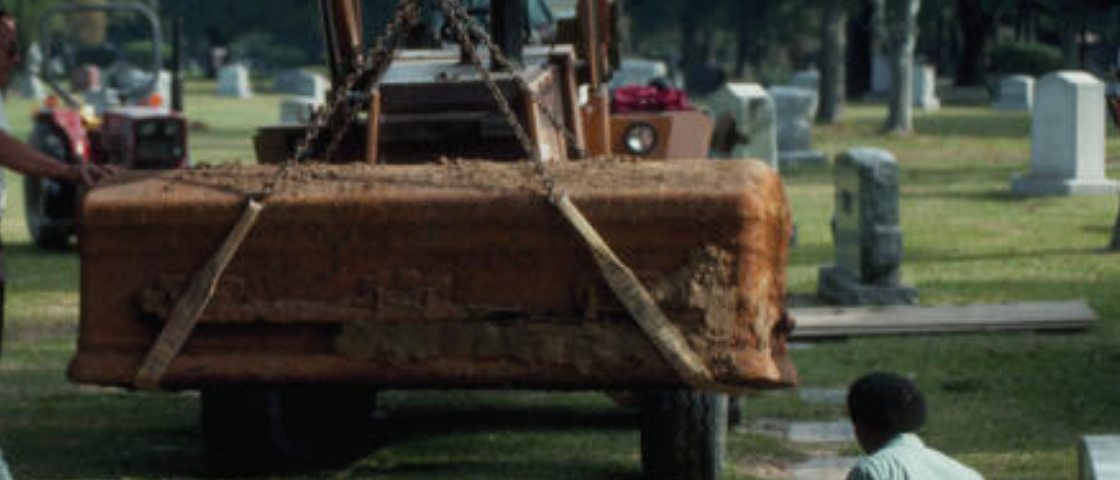
At some point, many funeral homes will be asked to reverse their usual process and “unbury” a corpse.  Disinterment, while not widespread, certainly isn’t uncommon in the modern era.  Easy, though?  Not in the least. 

Multiple agencies (the state, cemeteries, religious institutions) need to approve the process.  The grave itself has to be disturbed at a time of low traffic for privacy’s sake, so either at night, or early in the morning, with care taken to protect the privacy of the remains.  Representatives safeguarding health, safety, and sanctity of both living and dead need to be present graveside.  And re-interral typically must be completed within the first 24 hours, either at the same site or in a new location. 

Seasonal concerns apply, such as whether the ground is frozen, and security has to be maintained at the grave site until reburial.  A host of other details may contribute to the often-tangled nature of the logistics of just physically getting the deed done. 

It’s a whole complicated, involved thing, so why dig up a body, sometimes decades after burial?

Establishing identity

This is a big one.  If misidentification of remains is alleged, a corpse may be exhumed for purposes of verifying identity for purposes personal to a family or other socially significant reasons, and not infrequently in publicly visible matters, as previously reported here.

In such cases, the process is relatively straightforward, if complex:  information about the deceased is required (name, cause of death, sex, height, weight); once exposed, remains must be transported quickly.  Decomposition will accelerate with exposure to air, and intact coffins should remain unopened at the graveside due to potential contamination. DNA may be tested, fingerprints may be taken, or in some cases where possible, visual identification performed in conjunction with other methods, such as consultation of medical and dental records.

In cases where identity cannot be verified, or remains are found to be someone other than the decedent who was intended to have been buried there, further investigation will be necessary.

Evidence for forensic examination

Inquiries into cause of death of the deceased (or others) require a legal warrant proving the necessity of disturbing the body.  Exhumations may also be necessary when facts arise after burial which suggest foul play, or other reasons for additional analysis of the decedent (or anything interred with the body).

In such cases, in addition to examination of exhumed remains, soil samples will likely be taken from above and around the coffin, as well as samples from the decedent’s clothing or shroud.  Fluids from the coffin interior might be sampled, along with fragments of the coffin or sealants.  Care is practiced to secure remains and samples from cross-contamination.

Relocation

In all of these scenarios, the families are involved, but sometimes an exhumation is done at a family’s request. Commonly, the purpose is to rebury the remains at a different location, or to recover an object buried with the decedent. 

The matter is never treated lightly, a positive and respectful development of recent times, in contrast to historical methods of procuring cadavers for purposes of instruction by medical colleges (by outright grave-robbery).  Families are usually asked not to be present during the exhumation process, which can be disturbing to them, though they are usually closely involved in reinterment.  The same permissions must be obtained, though with somewhat less legal restriction than required of a criminal investigation.

With methods and tools of forensic investigation advancing, the implications for justice and protection of our dead, known and unknown, are strongly positive.  For that reason alone, we can celebrate what might previously have only been seen as disturbing a place of rest.  The same process is a more powerful one now, hopefully not just for resolution of crimes, but also as an instrument extending peace to the living who remain.


Jennifer Trudeau
Jennifer Trudeau

Contributor writing on grief, memorialisation and the human side of funeral service.

All posts by Jennifer Trudeau

Related Articles

UncategorizedFuneral Service Foundation Announces $100,000 Gift from Funeral Directors LifeMay 8, 2023Morticians' Monday Morning MashupScrapyard Rescues & ScareBnbs | 4M #86May 8, 2023UncategorizedEllen McBrayer Wins Inaugural NFDA Inspiration AwardMay 6, 2023
Tags: Disintermentexhumation
Previous Post

LendingUSA: The At-Need Funding Solution That Pays You, Not the Other Way Around

Next Post

How Many Households Have Cremated Remains?

Next Post
CANA Cremation Statistics

How Many Households Have Cremated Remains?

Job Posts Powered By: Deathcarejobs.com

Connecting Directors

Recent Posts

  • Tesla’s Flying Car Announcement Sparks Heated Debate Among Funeral Directors | FFFW 303
  • She Was Gone for 130 Years. This Funeral Director Brought Her Home
  • Not Your Grandpa’s Deathcare Community: Death Rocks Club Opens for Funeral Directors

Categories

  • Association & Regulatory News
  • Community & Culture
  • Community Outreach
  • Company News & Mergers
  • Cremation & Aquamation
  • Customer Service
  • Director Spotlights
  • DISRUPT! Series
  • Friday Funeral Fast Wrap
  • Funeral News
  • Green/Natural Funerals
  • Grief Conversations
  • Interviews & Panels
  • Leadership & Management
  • Legislative Updates
  • Lighter Side
  • Marketing & Social Media
  • Morticians' Monday Morning Mashup
  • Most Popular
  • Preneed & Sales
  • Product Demos
  • Products & Startups
  • Professional Guidance & Resources
  • Staffing & HR
  • Supplier Announcements
  • Tech & AI
  • Trending Videos
  • Trends & Innovations
  • Tukios
  • Uncategorized
  • Video
  • Community & Culture
  • Home
  • Home

© Connecting Directors. All rights reserved.

No Result
View All Result
  • Home
  • Funeral News
    • Company News & Mergers
    • Association & Regulatory News
    • Legislative Updates
    • Supplier Announcements
  • Community & Culture
    • Lighter Side
    • Grief Conversations
    • Director Spotlights
    • Community Outreach
  • Trends & Innovations
    • Products & Startups
    • Tech & AI
    • Cremation & Aquamation
    • Green/Natural Funerals
  • Professional Guidance
    • Leadership & Management
    • Marketing & Social Media
    • Staffing & HR
    • Customer Service
    • Preneed & Sales
  • Video
    • DISRUPT! Series
    • Interviews & Panels
    • Trending Videos
    • Product Demos

© Connecting Directors. All rights reserved.