
Manicures and Mortality? There’s No Wrong Place to Hold a Death Cafe
What is the “perfect” place to talk about death? The funeral home? A family’s living room? If the growing popularity of death cafes has taught deathcare professionals anything, it’s that people are becoming comfortable talking about death anywhere other than those traditional places — even in nail salons.
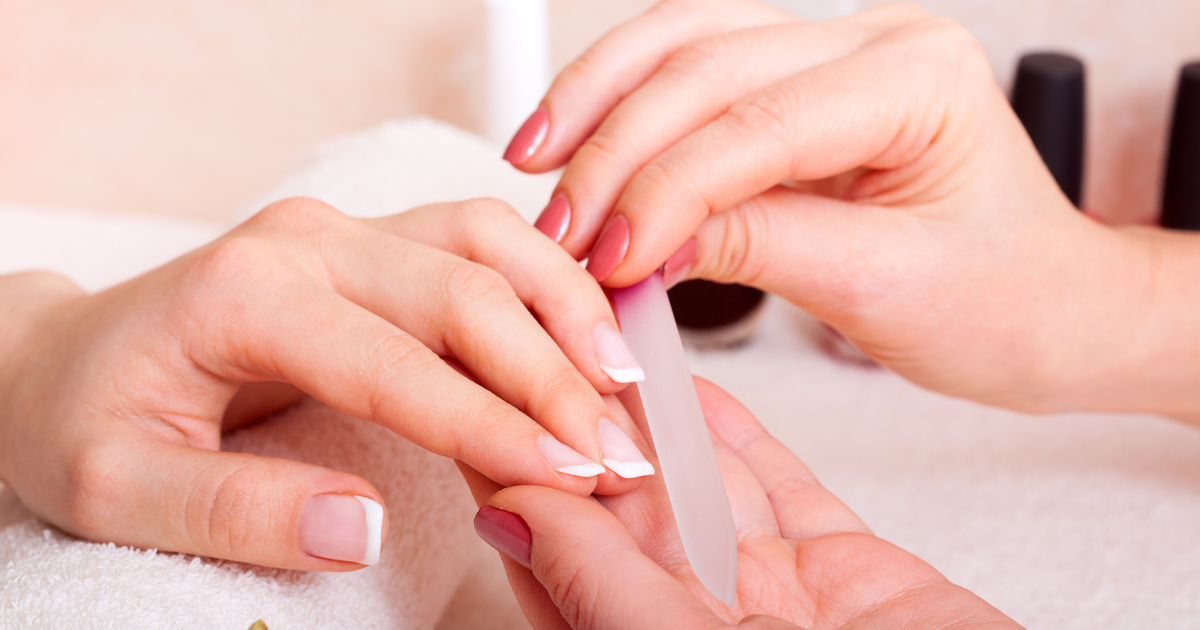
This month, the UK drugstore chain Superdrug will begin offering free pop-ups called “Mani Curie” — manicures paired with an open invitation to talk about death. According to the Glasgow Times, the event is run in partnership with Marie Curie, the UK’s largest end-of-life charity. It’s being described as a low-pressure way into a real conversation about death and dying.
This particular campaign grew out of a Superdrug poll that found that 40% of adults avoid discussing death altogether, and 30% regret never having spoken to a terminally ill loved one before they died. Statistics from recent surveys in the United States show that there’s not only a need for these conversations, but more Americans are open to it. The 2026 Choice Mutual Funeral Preferences survey found that “nearly 3 in 5 Americans (57%) think people are becoming more comfortable talking about death and end-of-life preferences.” That’s the perfect excuse for hosting your own event where people in your community can do just that.
What’s in a name?
So how has the death cafe migrated from the coffee shops of its origins to today’s drugstores and nail salons? It seems that the “cafe” part of “death cafe” is more of a figurative term rather than a descriptor for the physical space. The concept of the death cafe is attributed to Swiss sociologist Bernard Crettaz, who in 2004 set up the first café mortel, or death cafe, in the UK. It was designed in the spirit of the café philo and the café scientifique — intimate gatherings of like-minded folks who met to discuss philosophy and science, respectively. And, yes, those original conversations were often held in pubs, restaurants, and cafes.
Today, though, death cafes are held anywhere a small group can comfortably assemble and hear one another speak. Those traditional locations are still great options, as food and drink are usually an integral component of the meeting, and libraries, rural community centers, and church spaces are also popular (and often available at no cost.) But if you’re open to meeting people where they are — going about their day and living their normal lives — and entering into a casual conversation about what they might expect when their own time comes, you might want to consider these other, slightly outside-the-box ideas:
Barbershops
Barbershops are widely considered safe spaces where people can be authentic without the pressure to conform to any social expectations. Clients who come in on a regular basis build a sort of trust with their barber or stylist, who often serve as informal therapists and hubs of community information. While hair salons that cater to females can get pretty noisy (thanks to hair dryers, not the ladies, thank you very much), barbershops are usually less chaotic and fairly noise-free.
Dog parks
Pet owners are keenly aware of their pets’ mortality thanks to their comparatively short life spans, but whether or not you offer pet cremations or services, dog parks are a great place for conversations that can start with a discussion about pet loss. They offer lots of seating, open spaces, and folks who might be looking for something to do while their pup enjoys a romp with his friends.
Distilleries or breweries
There’s a reason these locations are already popular spots for trivia, bingo, and karaoke nights. In addition to guided tours of the facilities, distilleries and breweries usually have open areas where they serve up their particular spirits — and conversations flow just as easily as the craft beer or whiskey.
Yoga studios or wellness centers
People who care about their physical and mental wellness could be some of your most curious community members. They might have questions about various disposition options, what happens to the body at death, or how to best work through grief. Plus, approaching the topic of death in a holistic environment helps people to “de-medicalize” the process.
Historic cemeteries
Larger cemeteries often have indoor or outdoor spaces where community groups are welcome, so what better group to welcome than those who are pondering final resting places? Death cafe sessions are already offered in Congressional Cemetery in Washington, DC, Green-Wood Cemetery in Brooklyn, and Mount Auburn Cemetery in Cambridge, MA.
Bookstores
No matter how many digital reading devices are out there, people still love a traditional brick-and-mortar bookstore. There’s no better place to sit down in a comfortable chair with a good book — and if it’s a book about deathcare that you’ve proposed as that week’s book club pick, what better time to start a conversation with a local funeral director?
Partnerships and principles
Speaking of piggy-backing on a book club’s discussion … Why not partner with other community groups to join their existing meetings? Community organizations like Kiwanis, Rotary, and Civitan are always looking for guest speakers; instead of lecturing from a podium, though, you could simply field questions or facilitate break-out sessions. Other groups, like art classes, genealogy club meetings (we’re already quite familiar with gravesites and obituaries!), or veterans organizations might be open to hosting as well. And, of course, consider contacting your local hospice providers and death doulas to provide participants with a selection of experts who can answer questions across the spectrum of death and dying.
The founding principles of the death cafe concept include no agenda and no exchange of money, precisely to keep these gatherings from feeling like anyone’s sales pitch. When a funeral director is the host or facilitator, participants will know that you sell caskets and preneeds, but a neutral and casual venue can help to dispel any perceived agenda.