

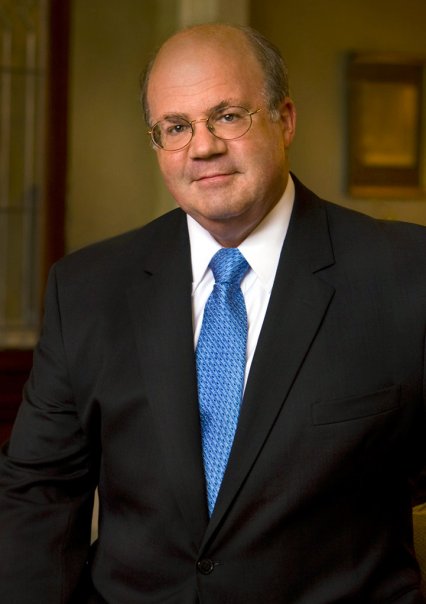
Guest article by Alan Creedy
[Apologetics (from Greek ἀπολογία, “speaking in defense”) is the discipline of defending a position (often religious) through the systematic use of information.]
Much of my career has involved business turnarounds. This experience serves me well as a funeral home consultant. Over the course of more than 30 years I have learned a lot about human nature. Here is a simple elegant expression of one of the most significant lessons you must accept if you are in trouble:
“If you think you can, or if you think you can’t You are right!” Henry Ford
There is an anomaly in human nature that appears during prolonged stress. In recent years it has been the attention of much study. These studies have all concluded that their is a specific attitude or mindset that correlates directly with the ability to survive bad situations and another that correlates directly with failure. But more on that later. What I found in my experience, and became subject to myself, is the propensity for people to give up, to become cynical and actually embrace victim mentality. I realized from some of the comments to last weeks post, “The Problem is Not Cremation”, that a few of those who responded had given in and given up. So, rather than begin this series in the middle I think it best to begin at the beginning and lay the foundational steps you must embrace for an effective business turn around.
How I overcame my own victim mentality.
Some 20+ years ago I was leading a protracted turnaround. It seemed to take forever and was beset by passive agressive resistance from the staff. (Life Lesson: “when you emerge from the phone booth to fly to the rescue don’t be surprised to find the very people you are trying to help standing on your cape”) I found myself feeling increasingly depressed, demoralized and hopeless. Then during my daily quiet time one day I felt compelled to write out in my journal everything I was afraid of. There were 6 items. They included such things as never being able to retire, not being able to send my kids to college, the shame of failure, etc. Then I felt led to identify that which I was MOST afraid of and it changed my whole perspective. The thing I was most afraid of was simply this: “Nothing would ever change.” Well, I decided that if that was my greatest fear then sitting around clinging to my despair was going to guarantee that would happen. I deliberately stopped caring about the naysayers and critics and self-styled experts.
Read Rest of Article From Alan

Thanks Alan,
Your insights are astute, timely, and much needed. Henry Ford also said: “the World is run much differently than we might imagine.” What is interesting to me about the quote you chose of Ford’s is that it has not actually held true for us in funeral service up here in Vancouver, Canada. We have now set out five times to achieve ethical verdicts from ‘we the people’ in the public square, against (at least in our minds) ethically challenged service providers. Each and every time we were fully prepared to, and expected to be defeated, but four of those five times, we were wrong! We actually defeated the billionaires, much to our astonishment.We are probably the most powerful citizens that have ever lived, and just about nobody knows that, so thanks for cheering us all on!Tom